
Understanding Bruxism Treatment: Managing Teeth Grinding
Bruxism, the involuntary grinding or clenching of teeth, is more common than many people realize. For some, it happens during the day, often during moments of stress or deep focus. For others, it takes place at night during sleep, leaving them unaware of the habit until symptoms start to show. Over time, untreated bruxism can harm teeth, strain jaw muscles, and affect overall oral health. Fortunately, modern Bruxism Treatment options make it possible to manage the condition effectively and protect your smile.
How Dentists Identify Bruxism
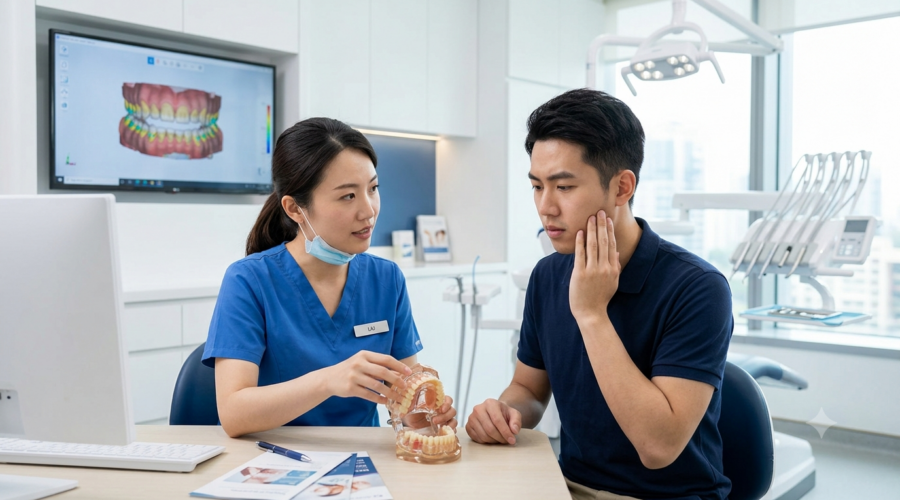
Bruxism is often discovered during routine dental visits. Dentists look for signs that teeth are under excessive pressure or friction. This may include flattened or chipped tooth surfaces, worn enamel, or sensitivity from exposed dentin. They may also check your jaw joints and muscles for tenderness, stiffness, or limited movement.
If your dentist suspects bruxism, they’ll keep track of these changes over multiple visits. This helps determine whether the condition is worsening and whether you need treatment. X-rays may be used to assess deeper structures, including the jawbone and the inside of your cheeks, especially if the grinding is causing internal damage.
Finding the Cause
Bruxism doesn’t happen for just one reason, it’s often linked to lifestyle habits, stress levels, sleep disturbances, dental misalignment, or underlying medical conditions. Your dentist may ask about your sleeping patterns, medications, daily routines, or stressful events in your life. In some cases, bruxism can be connected to other conditions such as TMJ disorders or sleep apnea.
When the cause points to a medical or psychological factor, your dentist may refer you to a sleep specialist or mental health professional for further evaluation. Treating the root cause plays a crucial role in long-term bruxism management.
Bruxism Treatment Options
Not every case of bruxism requires aggressive treatment. Many children outgrow it, and adults with mild symptoms may not need intervention. However, when grinding or clenching leads to discomfort, tooth damage, or jaw problems, several treatment paths are available.
Dental Solutions
- Custom Mouth Guards or Splints
These are the most common treatment options. They’re worn at night to separate the upper and lower teeth, preventing further wear and reducing pressure on the jaw. They can be made from soft or hard materials depending on your needs. - Restorative Dental Work
If grinding has already caused significant damage, your dentist may reshape the tooth surfaces or place crowns to restore proper chewing function and reduce sensitivity.
Therapeutic Approaches
- Stress Management Techniques
Since stress and anxiety are major contributors to bruxism, learning relaxation techniques can make a noticeable difference. Practices like yoga, meditation, deep breathing, or therapy sessions can help reduce nighttime clenching. - Behavioral Training
Daytime grinders can benefit from awareness techniques that help them correct jaw posture and reduce clenching. Setting reminders to relax your jaw can also help retrain the muscles. - Jaw Relaxation Exercises and Biofeedback
These techniques help control muscle tension, especially when you’re struggling to stop the habit voluntarily.
Medications
Medication is generally not the primary focus of bruxism treatment. However, short-term use of muscle relaxants, stress-relief medication, or even Botox may help in severe cases. Botox injections can temporarily reduce muscle activity, offering relief to patients whose bruxism does not respond to other treatments.
Lifestyle and Home Remedies
Small changes can go a long way in reducing grinding and protecting your teeth:
- Avoid caffeine and alcohol in the evening, as they can worsen grinding.
- Quit smoking to improve overall oral health.
- Maintain good sleep habits and treat any sleep disorders.
- Share symptoms with your sleep partner — they may notice nighttime grinding you aren’t aware of.
- Keep up with regular dental checkups to catch early signs of damage.