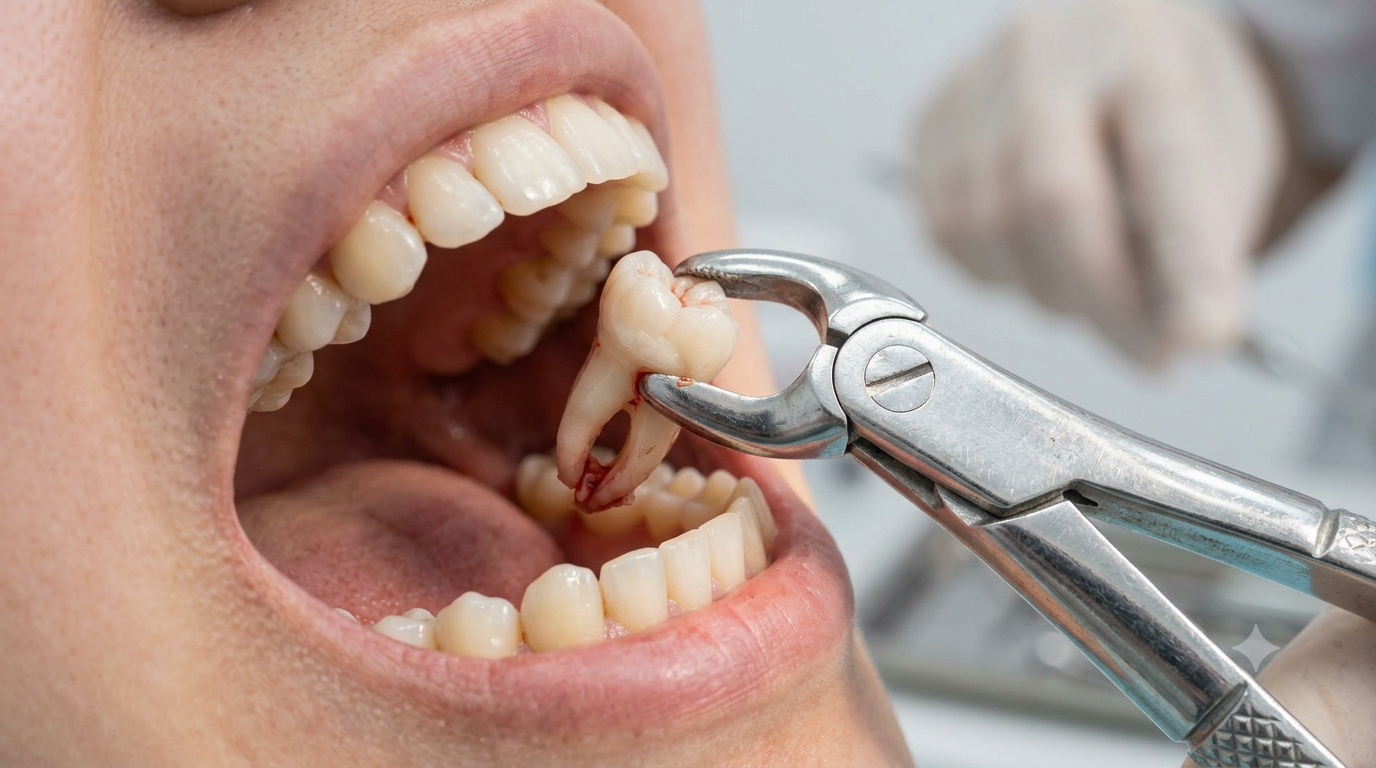
Tooth Extraction: What to Expect Before, During, and After the Procedure
Tooth extraction is a common dental procedure that involves removing a tooth from its socket when it can no longer be saved. While dentists always aim to protect natural teeth, certain conditions—such as severe decay, dental trauma, advanced gum disease, or crowding—can make tooth removal the most reliable option for restoring oral health. Understanding what happens during a tooth extraction and how to take care of your mouth afterward can help you feel more confident if your dentist recommends this form of oral surgery.
Why Tooth Extraction May Be Necessary
Dentists typically explore restorative solutions like fillings, crowns, or root canal therapy before considering extraction. However, when a tooth is too damaged or compromised to function properly, tooth removal becomes the most effective way to prevent infection from spreading and to protect surrounding teeth and gums.
You may need a tooth extraction if you have:
- A tooth fracture involving the root
- Advanced periodontal disease
- Impacted wisdom teeth
- Severe decay that cannot be repaired
- Overcrowded teeth that interfere with alignment
Both general dentists and specialists, such as oral surgeons and periodontists perform tooth extractions. Complex cases or those involving impacted teeth are often referred to specialists for additional care.
Preparing for Your Tooth Removal Appointment
Before the procedure, your dentist will review your medical history and ask about any medications or supplements you are taking. This helps determine whether adjustments are necessary prior to surgery. You will also have a chance to discuss anesthesia or sedation options, especially if you experience dental anxiety or want a more relaxed experience during treatment.
How Tooth Extraction Works
While each case is unique, most tooth extractions follow a similar sequence:
- Numbing the area: Local anesthesia is used to ensure the affected tooth and gums are completely numb. Sedation may also be offered for deeper comfort.
- Releasing the tooth: Your dentist will gently loosen the tooth using specialized instruments and lift it out of the socket. In cases where the tooth is broken or impacted, small incisions may be made or the tooth may be divided into pieces for safer removal.
- Cleaning the site: Once the tooth is removed, the socket is thoroughly cleaned to eliminate bacteria and debris.
- Preserving bone if needed: Some patients benefit from a bone graft placed in the socket to maintain jaw structure and support future restorations like dental implants.
- Closing the area: Stitches may be placed depending on the nature of the extraction.
Most standard tooth extractions take about 30 to 60 minutes, although multiple extractions can take longer.
Benefits and Possible Risks of Tooth Extraction
Removing a severely damaged or infected tooth prevents further complications and often provides immediate pain relief. Extracting problematic teeth can also improve overall oral health and support future restorative solutions.
As with any oral surgery, there are risks such as infection, dry socket, delayed healing, nerve irritation, or sinus involvement (especially with upper molars). Your dentist will explain these risks and guide you on how to avoid complications.
What to Expect During Recovery
Mild soreness, swelling, bruising, and slight bleeding are normal after tooth removal. These symptoms usually peak within the first few days and gradually improve. Applying ice, resting, and following your dentist’s instructions can help manage discomfort.
Most people can resume normal daily activities after 48 to 72 hours, although complete healing of the bone may take several weeks. If you plan to replace the missing tooth with an implant, your dentist will advise you on the waiting period required for proper socket healing.
Aftercare Tips for a Smooth Recovery
Your dentist will provide personalized care instructions, but general guidelines include:
- Stick to soft foods such as yogurt, eggs, pasta, and soup.
- Keep the area clean using gentle mouth rinses while avoiding the extraction site when brushing.
- Avoid smoking, vaping, using straws, or strenuous activity for a few days.
- Take prescribed or over-the-counter medications as directed.
- Refrain from poking the area with your tongue or fingers.
When to Call Your Dentist
Reach out to your dentist if you notice fever, severe pain that does not improve with medication, persistent bleeding, or any unusual discharge from the extraction site.