
Oral Health: Why Regular Oral Exams and Dental X-Rays Matter

A healthy smile is more than just an aesthetic goal, it’s a reflection of your overall well-being. Maintaining good oral health requires more than daily brushing and flossing; it also means visiting your dentist regularly for oral examinations and dental X-rays. These preventive steps are vital for detecting problems early and keeping your teeth and gums in excellent condition.
What Happens During an Oral Examination
An oral exam is a comprehensive assessment of your mouth, teeth, and gums. During a checkup, your dentist or dental hygienist will evaluate the condition of your teeth, look for signs of cavities or gum disease, and check for any abnormalities that might indicate larger health concerns.
They’ll also review any dental restorations—such as fillings, crowns, or bridges—to ensure they are still in good shape. Regular dental checkups allow your dental provider to identify potential issues early, often before they cause discomfort or require complex treatments.
The Role of Dental X-Rays in Oral Health
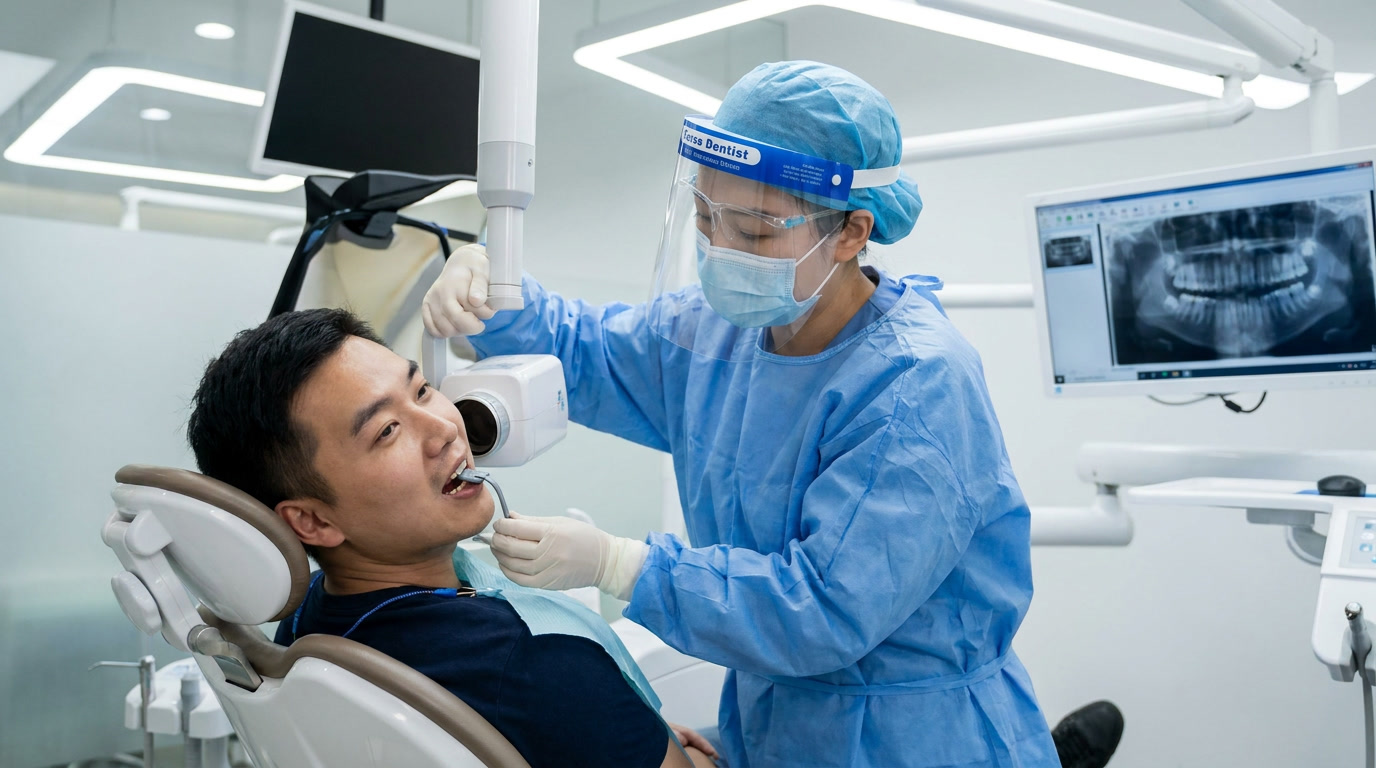
While a visual exam helps detect surface-level issues, dental X-rays provide a deeper look at what’s happening beneath the gums. These images help reveal:
- Tooth decay not visible during a normal exam
- Bone loss caused by periodontal disease
- Infections or abscesses
- Impacted teeth
- Jawbone irregularities
Modern digital dental X-rays use minimal radiation and offer a clear, detailed view of your oral structures, making it easier for dental professionals to diagnose problems early and develop effective treatment plans.
Oral Examinations and Pregnancy
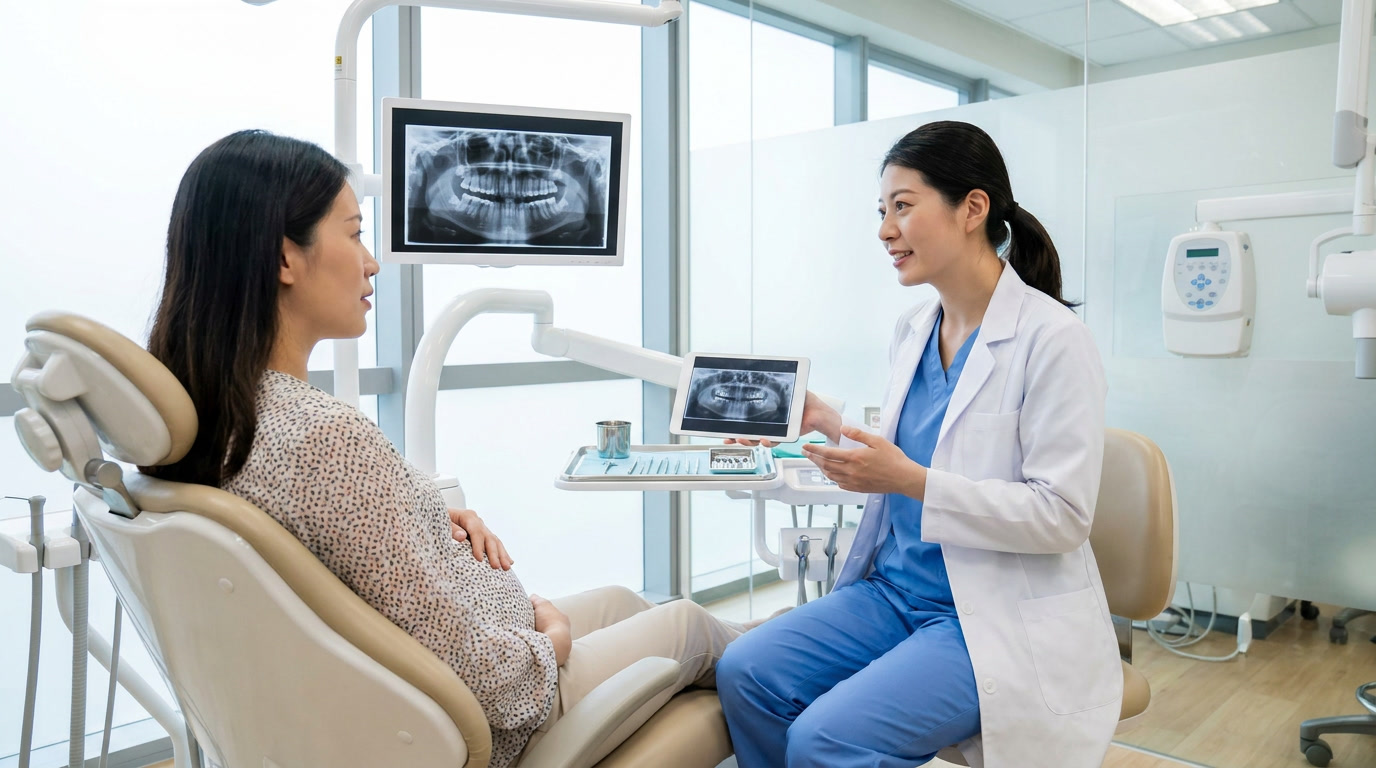
For those who are pregnant, oral health becomes especially important. Hormonal changes can increase the risk of swollen gums or gingivitis, making regular oral examinations essential. Dentists may recommend safe, limited dental X-rays when necessary to monitor the health of both mother and baby.
Why Preventive Care Is Worth It
Preventive dental care—like routine oral exams and dental X-rays—is one of the smartest investments you can make for your health. These visits help avoid more serious issues, such as tooth loss, infections, or gum disease, that may require costly treatments later on. Most dental insurance plans cover preventive services, encouraging regular care rather than emergency treatment.
How to Maintain Good Oral Health Between Visits
Taking care of your oral hygiene every day supports the benefits of professional care. Here are a few essential habits:
- Brush your teeth at least twice a day with fluoride toothpaste.
- Floss daily to remove plaque between teeth.
- Rinse with an antibacterial mouthwash to reduce bacteria.
- Eat a balanced diet and limit sugary foods and drinks.
- Visit your dentist every six months for a routine oral exam and cleaning.
Good oral health doesn’t just prevent cavities and gum disease—it can also improve overall wellness, as many systemic conditions, including diabetes and heart disease, are linked to poor oral hygiene.
A Healthy Mouth, A Healthier You
Prioritizing your oral health through regular oral examinations and dental X-rays is one of the best ways to maintain a beautiful, confident smile and support your general health. Preventive care is simple, affordable, and effective, so don’t wait until you experience pain or discomfort. Make oral health a lifelong habit and keep your smile strong for years to come.