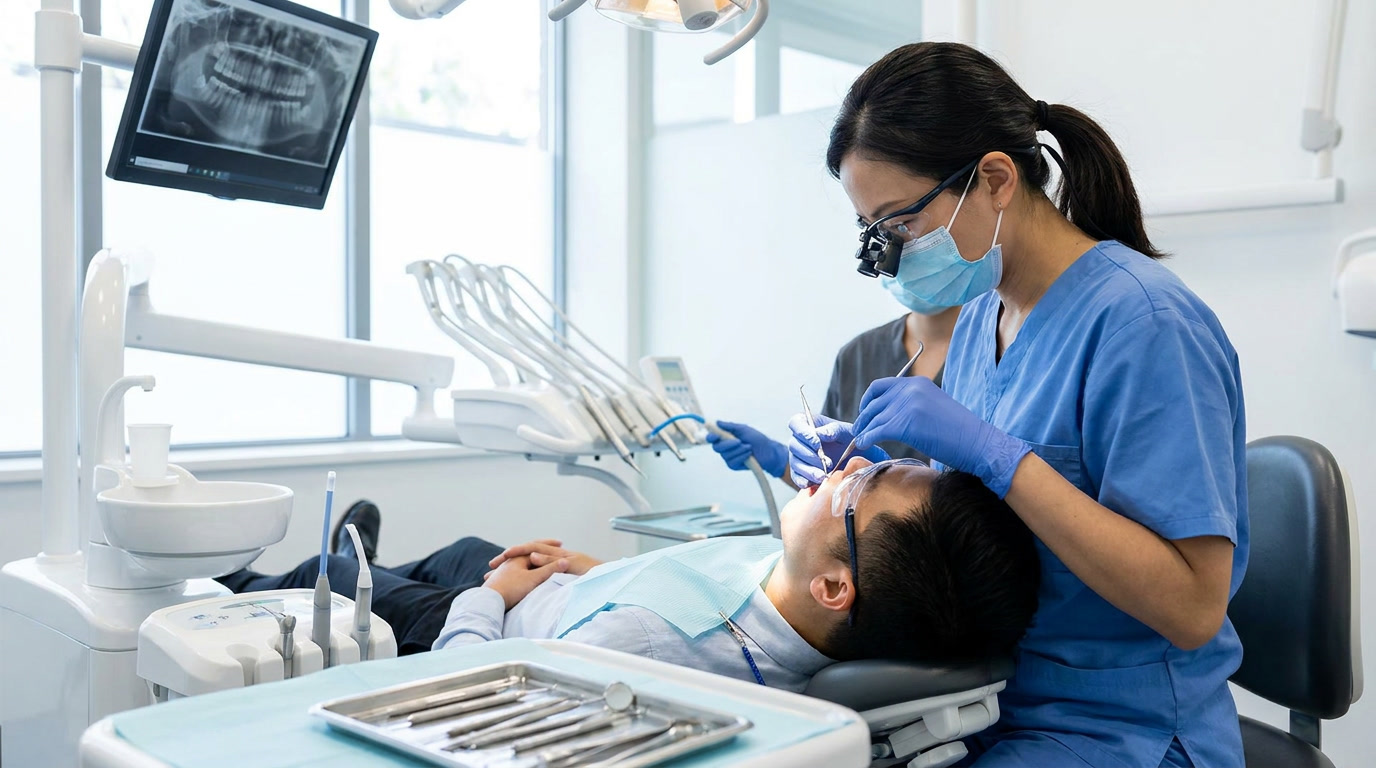
Teeth Screening: Why It Matters for Strong, Healthy Teeth
Good oral health starts long before any signs of pain or discomfort. One of the most effective ways to stay ahead of dental issues is through teeth screening — a preventive approach that helps identify early signs of decay, weakened enamel, and other problems before they escalate. Among the many tools used during teeth screening, fluoride remains one of the most trusted treatments for strengthening enamel and reducing the risk of cavities.
What Teeth Screening Involves
During a teeth screening appointment, your dentist examines the condition of your enamel, checks for plaque buildup, evaluates gum health, and looks for early signs of tooth decay. Even though these problems may not always cause noticeable symptoms, routine screenings ensure they are detected early. This early detection allows for quick, simple treatment and prevents more serious oral health complications.
A key part of many teeth screenings is evaluating your enamel’s strength. This is where fluoride plays a major role. Since enamel undergoes constant cycles of mineral loss (demineralization) and repair (remineralization), fluoride helps balance this process by reinforcing the outer layer of the tooth.
How Fluoride Supports Teeth Screening
Fluoride is a naturally occurring mineral found in water and many foods. Its main strength lies in supporting enamel recovery. Throughout the day, acids produced by bacteria and sugars in the mouth weaken enamel. Fluoride helps reverse this damage by rebuilding lost minerals and creating a stronger, more acid-resistant surface.
During a teeth screening, your dentist may recommend a fluoride treatment if your enamel shows signs of weakening. These treatments come in forms like varnishes, gels, or foams and are applied directly to the teeth for better absorption.
Who Benefits Most From Fluoride During Teeth Screening?
Fluoride benefits people of all ages, but certain groups gain even more from regular fluoride use:
- Children and teens: Their developing teeth are more vulnerable to cavities, making fluoride essential for building strong enamel.
- Adults with dry mouth: Reduced saliva increases the risk of tooth decay.
- People with a history of dental problems: Frequent cavities or sensitivity may signal weakened enamel.
- Those with crowns, bridges, or braces: These dental appliances create areas where plaque builds up easily.
Because enamel health varies from person to person, the dentist uses teeth screening to determine how often fluoride treatments should be applied.
Safety of Fluoride
Fluoride is safe when used correctly. The amount found in public water and over-the-counter products like toothpaste is carefully regulated to prevent harmful intake. Dentists use controlled concentrations during treatments to ensure safety and effectiveness.
The main concern with excessive fluoride is a condition called fluorosis — faint white streaks that may appear on developing teeth. This typically affects children under age 6 who swallow too much fluoridated toothpaste. With proper guidance from a dentist during teeth screening visits, it’s easy to avoid.
Benefits of Regular Teeth Screening
Routine screenings offer long-term protection and help you stay ahead of dental issues. Your dentist can:
- Recommend fluoride treatments tailored to your needs
- Spot early signs of tooth decay
- Prevent enamel breakdown
- Identify gum disease early
- Help you maintain better oral hygiene habits
Most people benefit from professional fluoride care every six months, but your dentist may adjust this based on the results of your screenings.
Final Thoughts
Teeth screening is more than a routine check-up, it’s an essential part of preventive dental care. Paired with fluoride treatments, it helps strengthen enamel, reduce cavities, and maintain long-term oral health. Whether you’re caring for a young child or managing your own smile, regular screenings ensure you stay on top of your dental health early and effectively.