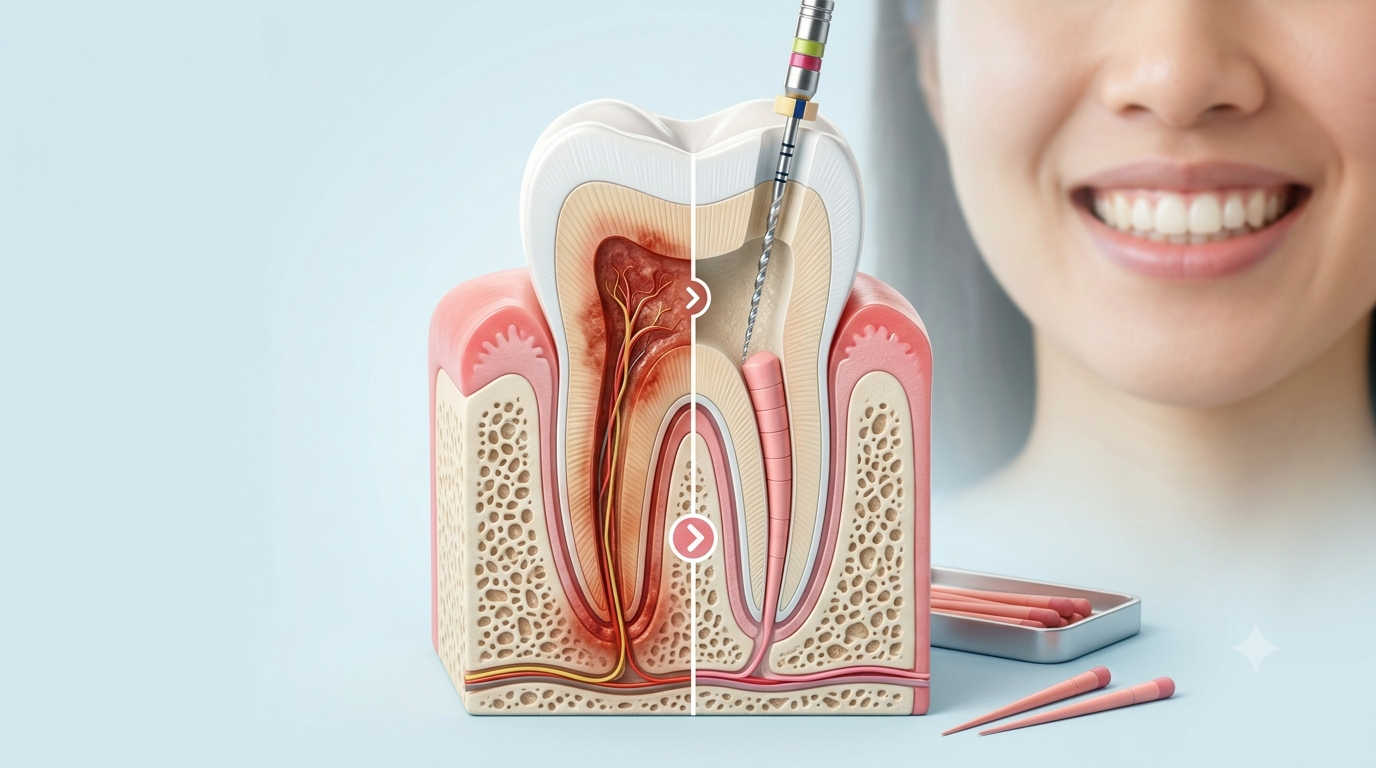
Root Canal Treatment: What Really Happens
A Root Canal is one of the most effective treatments for saving a tooth that’s badly infected or severely decayed. Instead of removing the entire tooth, this procedure focuses on eliminating infection inside the tooth’s pulp while keeping the natural structure intact. Thanks to modern dentistry, a root canal today is far more comfortable than many people expect, and often far less painful than living with an infected tooth.
Why a Root Canal May Be Necessary
Inside every tooth lies a soft, living tissue called the dental pulp. It contains nerves, blood vessels, and connective tissue that help the tooth grow and stay healthy. When this pulp becomes infected—often due to deep cavities, cracks, or injury—it can cause inflammation and severe discomfort.
Once bacteria reach the pulp, the infection can spread and form an abscess, which is a pocket of pus that might lead to swelling, bone damage, or even tooth loss. Some common signs that may indicate you need Root Canal Treatment include:
- Persistent toothache
- Swelling around the gums or face
- Sharp pain when eating
- Sensitivity to hot or cold drinks
- A hole or dark spot on the tooth
- Gum tenderness
Ignoring these symptoms allows the infection to worsen, making timely treatment essential.
What to Expect Before Treatment
A dentist or endodontist (a specialist in root canal procedures) usually begins by taking X-rays to assess the extent of infection. Once the affected area is identified, a local anesthetic is used to numb the tooth, ensuring you remain comfortable throughout the procedure.
To keep the area clean, a small protective barrier called a dental dam is placed around the tooth. This helps prevent saliva from entering the area and ensures a sterile working environment.
How a Root Canal Procedure Works
The treatment begins with a small opening made in the top of the tooth. Through this opening, the dentist carefully removes the infected or damaged pulp. Tiny dental instruments help clean out the root canals and prepare them for sealing.
Once the infection is cleared, the inside of the tooth is shaped, disinfected, and dried. In some cases, medication may be placed inside the canals to eliminate remaining bacteria. If the infection has spread beyond the tooth, your dentist may prescribe antibiotics.
A temporary filling is often placed to protect the tooth until the final restoration can be completed. During this time, it’s important to avoid chewing hard foods on that side to prevent damage.
Restoring the Tooth After a Root Canal
After the inside of the tooth is cleaned and prepared, the canals are filled with a rubber-like material that seals them and prevents future infection. The temporary filling is removed, and the tooth is then restored with a permanent filling or—more commonly—a dental crown.
A crown provides strength, protects the tooth from further damage, and blends naturally with the rest of your smile. These crowns may be made of porcelain, porcelain fused to metal, gold, or other durable materials depending on your needs.
If much of the tooth structure has been lost, a metal post may be added inside the tooth to support the crown and improve stability.
Healing After Treatment
It’s normal to feel mild sensitivity or soreness for a few days after the procedure. Over-the-counter pain relievers usually help manage this discomfort. If pain persists for more than a few days, it’s important to contact your dentist for follow-up care.
With proper oral hygiene—brushing, flossing, and regular checkups—a tooth treated with a root canal can last for many years, often for a lifetime.