





Also Known As
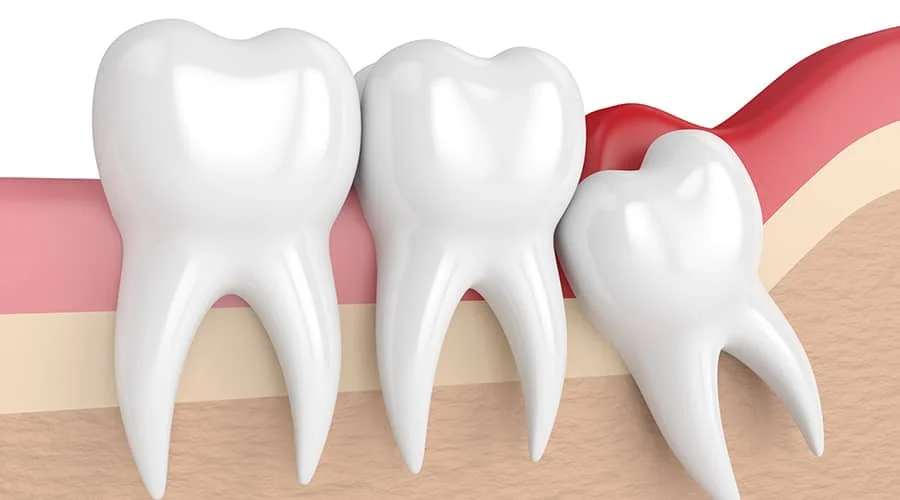
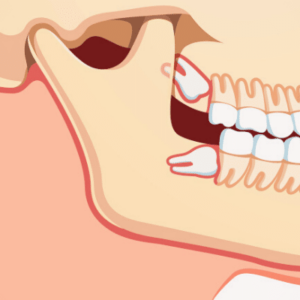
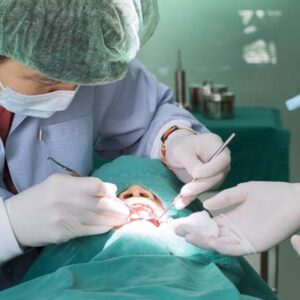
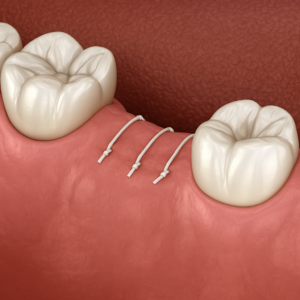
- Wisdom Teeth Removal. Its a surgical dental procedure to remove one or more third molars, located at the back of the mouth. These teeth often emerge in late teens or early adulthood and may cause problems such as crowding, impaction, infection, or pain. The extraction involves numbing the area with local anesthesia, making an incision if necessary, and removing the tooth either whole or in sections. It is performed to prevent or treat complications affecting oral health. Recovery typically includes swelling management, pain control, and healing of the gum and bone at the extraction site.
Medical Risks and Considerations
- Medical history review Inform your dentist about any chronic conditions (e.g., heart disease, diabetes, asthma).
- Medication disclosure Share all medications you’re taking, especially blood thinners, steroids, or immunosuppressants.
- Allergies to anesthesia or drugs Report any known allergies to local or general anesthetics, antibiotics, or painkillers.
- Pregnancy status If pregnant, consult both your dentist and obstetrician to assess timing and safety.
- Smoking habits Smoking increases the risk of dry socket and delayed healing — consider quitting before surgery.
- Age and bone density Older patients may have denser bone, making extraction more complex and recovery slower.
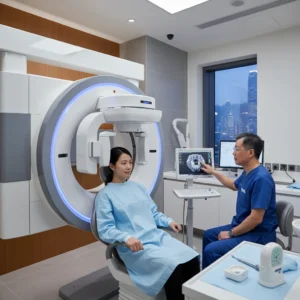
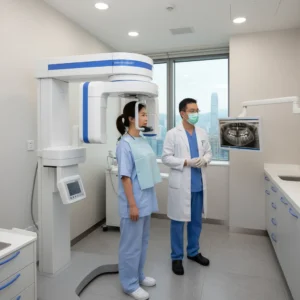
- X-ray or CBCT imaging Pre-surgical scans help assess tooth position, nerve proximity, and sinus involvement.
- Fasting instructions (if under sedation) Follow guidelines on when to stop eating or drinking before surgery if IV or general anesthesia is used.
- Post-op support Arrange for someone to accompany you and assist after surgery, especially if sedation is involved.
Key Considerations Before Treatment
- Dry socket: Loss of blood clot at the extraction site, causing intense pain and delayed healing.
- Nerve injury: Temporary or permanent numbness or tingling in the lips, tongue, or chin due to nerve damage.
- Infection: Bacterial infection at the surgical site, leading to swelling, pus, or fever.
- Excessive bleeding: Prolonged bleeding due to blood vessel injury or clotting issues.
- Swelling and bruising: Common post-operative symptoms that may last several days.
- Jaw stiffness or difficulty opening mouth: Caused by inflammation or muscle strain.
- Sinus complications: For upper wisdom teeth, possible sinus exposure or infection.
- Damage to adjacent teeth: Nearby teeth may be loosened or injured during extraction.
- Jaw fracture (rare): In rare cases, excessive force may lead to jawbone fracture.
- Allergic reaction to anesthesia or medication: Includes rash, breathing difficulty, or dizziness.