Orthodontics and Modern Treatment Options
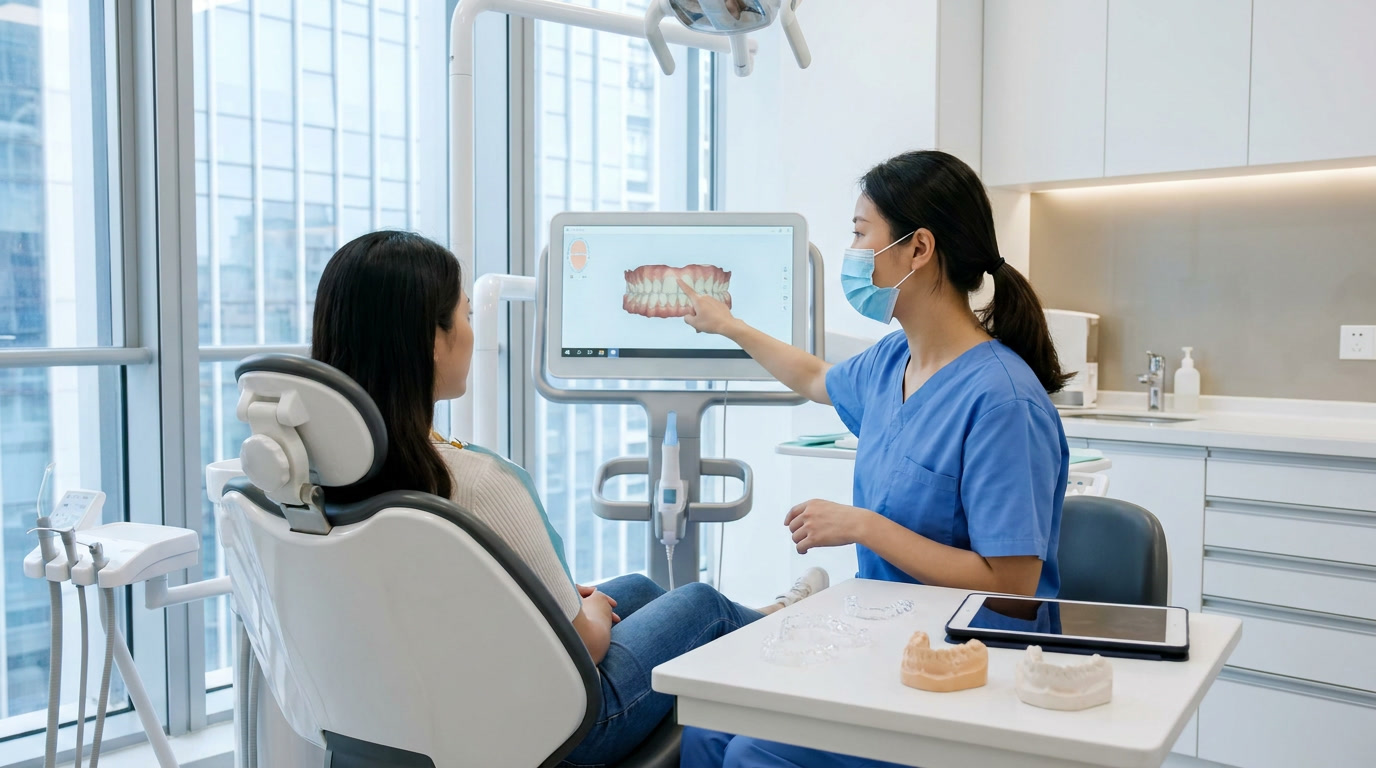
Orthodontics is a specialized branch of dentistry focused on correcting misaligned teeth and jaw irregularities. The term itself comes from the Greek words orthos (straight) and odons (teeth), which perfectly describes its purpose: promoting proper alignment for a healthier, more functional bite. Although orthodontic treatment has traditionally been associated with children and teenagers, today nearly 30% of orthodontic patients are adults, reflecting the growing awareness of how essential orthodontic care is at any age.
Why Orthodontics Matters
Well-aligned teeth offer benefits far beyond appearance. When your bite is properly positioned, everyday habits like brushing and flossing become easier, reducing the risk of decay and gum disease. Clearer speech, improved oral function, and enhanced confidence from a more attractive smile are additional advantages of orthodontic treatment.
The American Dental Association recommends scheduling an orthodontic evaluation by age seven. Detecting issues early allows orthodontists to guide jaw development, correct bite problems, and often reduce the need for more complex treatments later in life.
Common Issues Treated With Orthodontics
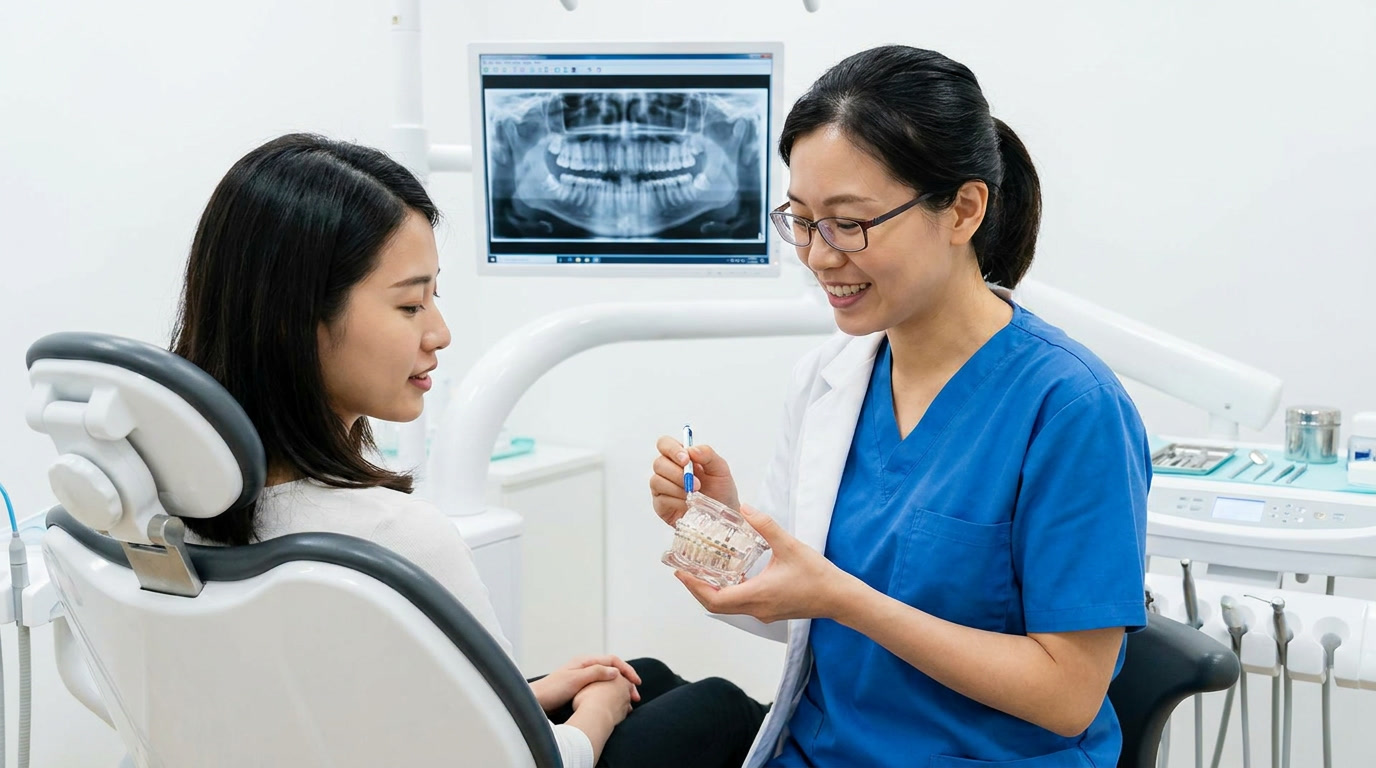
Orthodontics can address a wide variety of dental and jaw problems and is often used alongside cosmetic or maxillofacial treatments for comprehensive results. Some of the most common orthodontic concerns include:
1. Anteroposterior Deviations
These are differences in how the upper and lower jaws align when closed. Overbites, where the upper teeth sit too far forward, and underbites, where the lower teeth extend forward, are classic examples. Both conditions impact chewing, speech, and overall bite function.
2. Overcrowding
Overcrowding occurs when there isn’t enough space in the mouth for adult teeth to grow into proper alignment. It is one of the most frequent reasons people seek orthodontic solutions, as crowding can contribute to plaque buildup, gum disease, and uneven wear on teeth.
3. Aesthetic Concerns
Even a single misaligned tooth can affect the symmetry of your smile. Orthodontists can correct these minor irregularities with precision, and in some cases, they may reshape the lips, jawline, or facial profile for better harmony.
Modern Orthodontic Solutions
Orthodontics today offers a wide range of advanced and effective treatment options. After performing an evaluation—which may include visual exams, panoramic X-rays, and bite impressions—your orthodontist will recommend the most suitable treatment plan.
Here are some of the most common orthodontic treatments used today:
1. Fixed Orthodontic Braces
Traditional braces remain one of the most reliable ways to straighten teeth. Small metal or ceramic brackets are attached to each tooth, with a wire running through them. By adjusting this wire over time, the orthodontist gradually moves the teeth into better alignment. Once the teeth reach their ideal position, the braces are removed.
2. Removable Orthodontic Appliances
These devices include headgear for correcting overbites, Hawley retainers that guide teeth and jawbone development, and facemasks used to improve underbite issues. They may be used alone or as part of a larger orthodontic treatment plan.
3. Invisalign and Clear Aligners
Invisalign is a popular orthodontic treatment that uses transparent, removable aligners to straighten teeth. Because they can be taken out for meals and cleaning, clear aligners offer comfort and flexibility. While they are not suitable for all patients, they work similarly to traditional braces for those with mild to moderate alignment issues.
Final Thoughts
Orthodontics plays an essential role in achieving a healthier smile and improving long-term oral health. Whether you’re dealing with overcrowding, bite misalignment, or cosmetic concerns, modern orthodontic care provides solutions that are more comfortable and efficient than ever. If you have questions about orthodontic treatment or want to explore your options, schedule an appointment with an orthodontic specialist to get personalized guidance.