Mini Dental Implants: Benefits, Process, and What to Expect
Tooth loss is more common than many people realize, with millions of Americans missing at least one tooth. Fortunately, modern dentistry offers solutions that go beyond traditional bridges and dentures. One option growing in popularity is Mini Dental Implants, a smaller, less invasive alternative designed for patients who may not qualify for conventional implants.
If you’re considering tooth replacement options but want a procedure that’s simpler, faster, and more affordable, mini dental implants may be worth exploring. Below is everything you need to know to determine if they’re the right fit for you.
What Makes Mini Dental Implants Unique
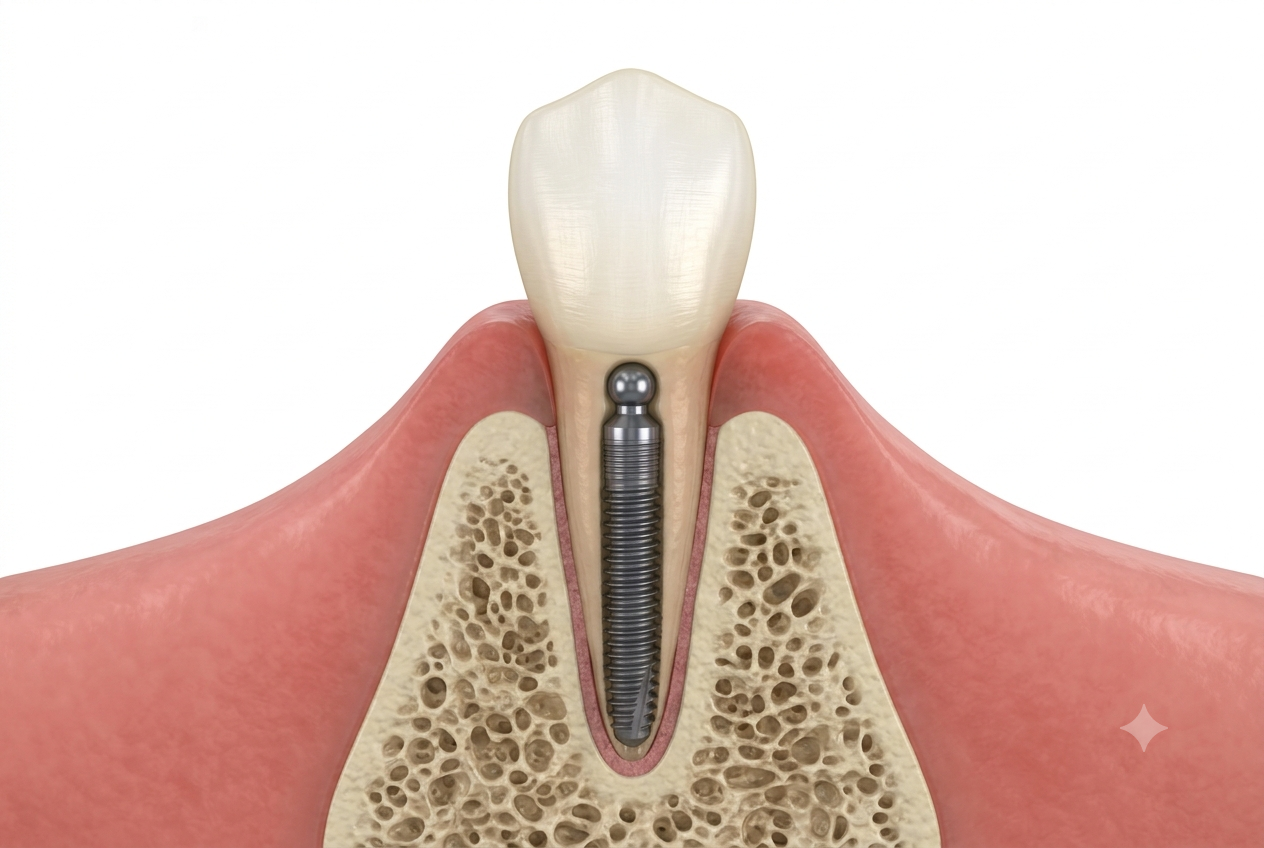
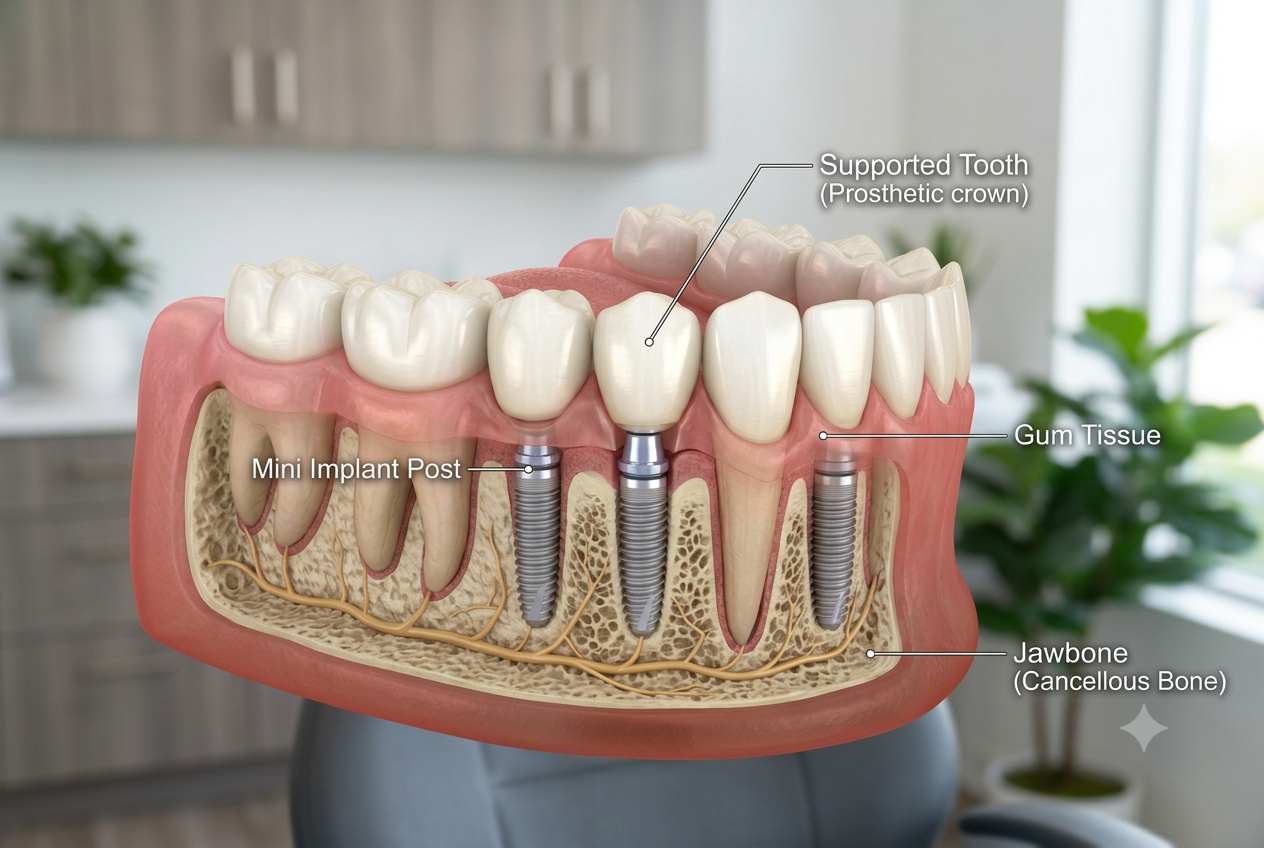
Mini dental implants work as compact versions of standard dental implants, designed to support replacement teeth or secure dentures with greater comfort and stability. Instead of the two-piece screw used in conventional implants, these implants feature a slim, single-piece post usually under 3 mm in diameter that is placed directly into the jawbone.
Their reduced size allows them to be used in areas where bone density has diminished, making them especially helpful for patients who may not want or qualify for bone grafting. Despite being smaller, mini implants still provide strong support and mimic the function of natural tooth roots, allowing you to eat, speak, and smile confidently.
Why Patients Choose Mini Dental Implants
Mini implants offer numerous advantages, especially for individuals who want a quick and minimally involved treatment. Some of the notable benefits include:
- A simpler placement procedure: Mini dental implants often require only local anesthesia. Because they are small and require little drilling, the process is less invasive.
- Faster healing time: Many patients return to everyday activities within a day or two, thanks to reduced trauma to the gums and bone.
- More budget-friendly: Mini dental implants are generally less costly than traditional implants, making them a practical option for many people.
- Suitable for lower bone density: Patients who have bone loss due to age, decay, or injury may not qualify for full-sized implants. Mini implants need less bone mass and can sometimes eliminate the need for grafting.
- Immediate results: In many cases, the replacement tooth or denture can be placed on the same day as the implant.
- A good solution for small spaces: Their size makes them ideal for replacing smaller teeth or fitting into narrow gaps.
- Less discomfort overall: Both the placement and repair of mini implants tend to be less painful due to their smaller size.
- Protection for facial structure: By stimulating the bone, mini implants help maintain jaw shape and prevent facial collapse.
The Best Candidate
While mini implants are a great solution for many people, they aren’t suitable for everyone. They are generally not recommended for:
- Children or individuals whose jaw is still developing
- People who grind their teeth excessively
- Those with untreated gum disease or severe bone loss
- Patients with medical conditions that interfere with healing, such as uncontrolled diabetes, blood clotting disorders, vascular disease, or certain bone diseases
- Individuals undergoing chemotherapy or radiation
- Heavy smokers or those with poor oral hygiene
- Patients taking medications that slow bone healing
Even though mini implants require less bone, some degree of bone density is still necessary. Receding gums or significant bone deterioration may reduce eligibility.
Understanding the Procedure
Before placement, your dentist will take digital images or X-rays to map out the precise implant locations. The process typically includes:
- Numbing the treatment area with local anesthesia
- Creating a tiny opening in the gum and jawbone
- Inserting the mini implant post
- Tightening the post to secure it
- Attaching the replacement tooth or denture component
Because the process is minimally invasive, stitches are rarely required, and multiple implants can often be placed during the same visit.
Recovery and Aftercare
Healing from mini dental implants is usually quick. Most discomfort can be managed with ice packs or mild pain relievers. Soft foods like yogurt, smoothies, mashed potatoes, or soups are recommended for the first few days to avoid putting pressure on the new implant.
Contact your dentist if you experience unusual symptoms such as severe or prolonged pain, numbness, or movement in the implant.
Long-term success depends on good oral hygiene habits. Brushing, flossing, and regular check-ups help ensure your mini implants stay strong and functional for years.
The Long-Term Outlook
Mini dental implants have been used for about two decades, and while long-term studies are still ongoing, many last for several years with proper care. Because they integrate into the jawbone just like traditional implants, they offer a stable, natural-looking solution for replacing missing teeth.