Implant Maintenance for Long-Lasting Dental Implants
Dental implants are one of the most reliable solutions for replacing missing teeth—but their long-term success depends heavily on proper implant maintenance. With the right care routine, a dental implant can last just as long as a natural tooth.
While implants aren’t affected by cavities, the surrounding tissues can still develop inflammation or infection, making daily hygiene and professional follow-ups essential.
Why Implant Maintenance Matters
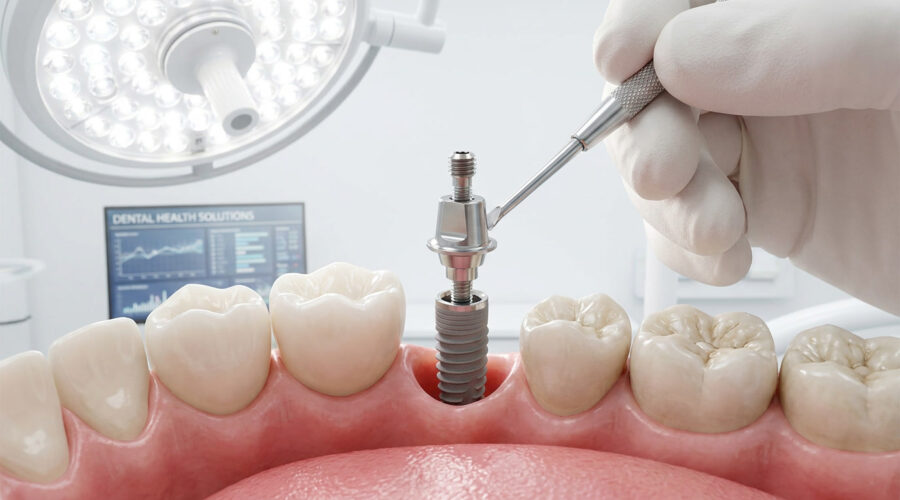
Dental implants are anchored directly into the jawbone, which means the health of the bone and surrounding gum tissue plays a crucial role in keeping them stable. Without consistent care, patients may experience peri-implantitis—a gum condition similar to periodontal disease that leads to inflammation, bone loss, and potential implant failure. Good oral hygiene minimizes this risk and keeps the tissues around the implant healthy.
Your dental team will guide you through the right implant care techniques and recommend tools suited to your restoration. This becomes even more important for individuals with multiple implants, implant bridges, or full-arch solutions.
Daily Hygiene Tips for Dental Implants
Just like natural teeth, implants need regular brushing and flossing. A soft-bristled toothbrush, manual or electric works well, as long as it’s used gently to avoid irritating the gum tissue. Some patients benefit from electric toothbrushes, especially if they struggle with hand movements. Always consult your dentist before switching, so you choose one that is safe for implants.
Flossing remains an essential part of implant maintenance. Standard floss works for single implants, but patients with implant-supported bridges or multiple units may need floss threaders, yarn-like floss, or cone-shaped interdental brushes to clean thoroughly between restorations. Testing different floss types helps you develop a routine that works best for you.
Water flossers can also be effective additions. There are now implant-specific water picks designed to wash plaque away from hard-to-reach areas. These should be used at a low pressure setting unless advised otherwise by your dental professional.
What Happens During Your Implant Check-Ups
Routine dental visits are key to maintaining stable implants. During these appointments, your dentist will assess the gum tissue, check the bite, and confirm that the implant restoration is securely attached. Loose screws or misaligned bites can strain the implant and contribute to bone loss, so early detection is important.
Unlike natural teeth, implants do not have periodontal pockets, so your hygienist will avoid using probes or sharp metal tools that could scratch the implant surface. Instead, they use specialized instruments designed specifically for implants.
Your dental team will also take periodic X-rays to assess the bone level around the implant. Radiographs are the most reliable method for detecting early bone changes and ensuring the implant continues to integrate properly.
Caring for a Newly Placed Implant
Post-surgery implant maintenance is more delicate. If you have a healing abutment exposed in the mouth, it must be kept clean without applying pressure or chewing on it. Gentle brushing with a soft toothbrush is safe, but if you use an electric brush, keep the motor switched off around the healing implant to avoid vibrations interfering with osseointegration.
If a temporary tooth is attached on the day of surgery, it should be cleaned like a natural tooth, but still not used for biting or chewing until the implant has fully healed. Temporary restorations may be slightly shorter to prevent accidental contact. Once healing is complete, your final tooth or bridge will be adjusted to its correct shape and bite.
What to Expect During Healing
A soft diet is recommended until your surgeon confirms that the implant has fused securely with the bone. After your follow-up appointment—typically two weeks post-surgery—you can safely receive cleanings or other dental treatments. Always inform other dental providers about your recent implant surgery to ensure proper precautions are taken.