
Dental Implants: An Investment in Dental Health
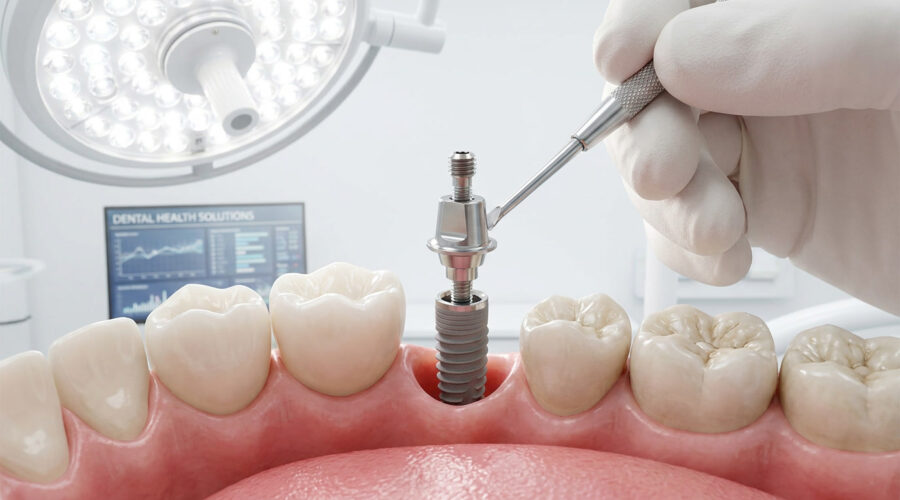
Dental implants are replacement tooth roots that provide a strong foundation for fixed or removable denture teeth. The metal screw portion of the device, made of titanium, acts as a root, which anchors into the bone.
Implants are ultimately governed by the amount of bone that remains following extractions or the loss of teeth. Therefore, the consultation is an important first step in the implant process.
Dental implant surgery replaces tooth roots with metal, screwlike posts and replaces damaged or missing teeth with artificial teeth that look and work much like real ones.
Dental implant surgery can be a helpful choice when dentures or bridgework fit poorly. This surgery also can be an option when there aren’t enough natural tooth roots to support dentures or build bridgework tooth replacements.
What to Expect During the Procedure and How it’s Done.
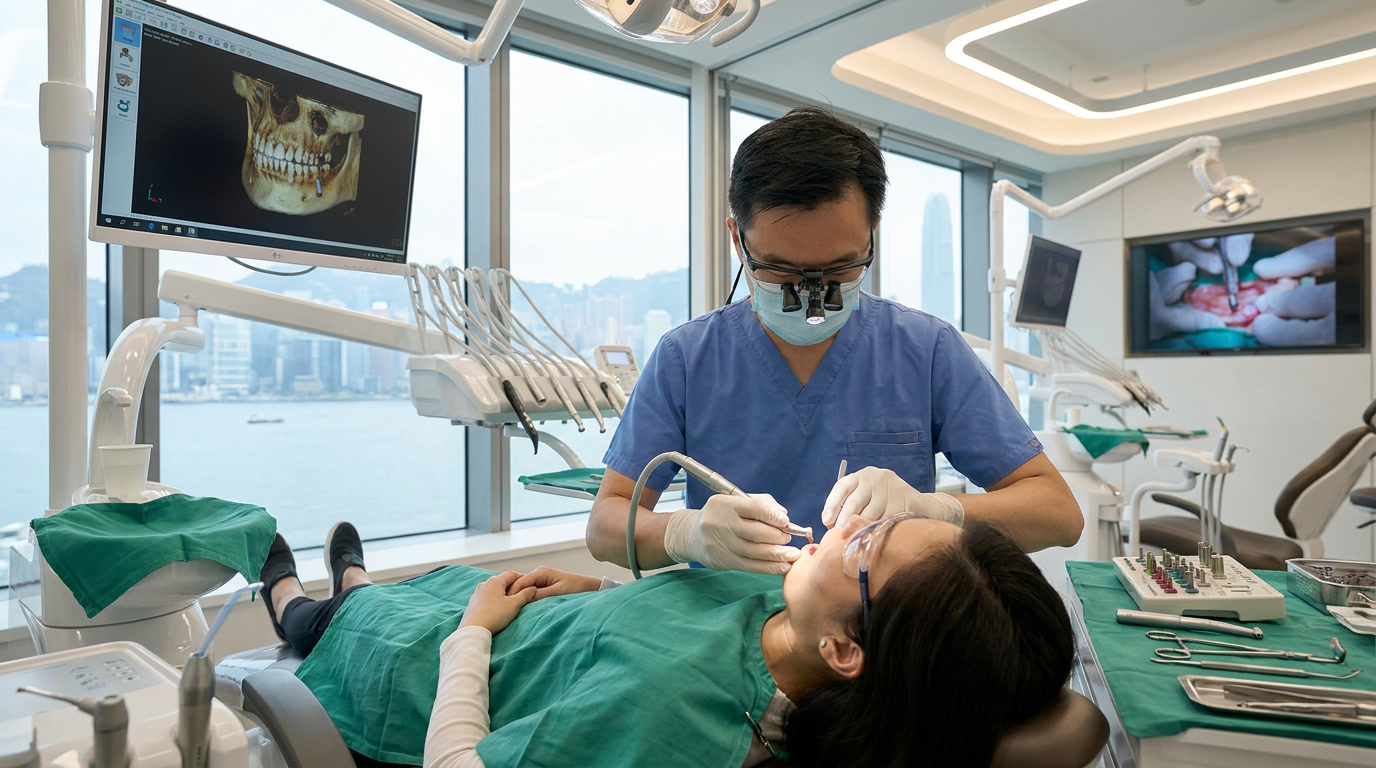
Dental implant surgery is usually performed in multiple stages with healing periods in between. A restorative dentist and an oral surgeon typically collaborate to plan and complete dental implant treatment.
The oral surgeon surgically places the implant into the jawbone, where it gradually integrates with the bone over time. Once healing is complete, the restorative dentist designs and places a custom crown over the implant. This crown is carefully crafted to look, feel, and function like a natural tooth.
Dental implant placement often involves a two-stage procedure. The initial placement of the implant, followed by a second stage a few months later to expose the implant and allow the restorative dentist to attach the final prosthetic restoration.
Before treatment, a comprehensive evaluation has to be performed to assess bone health, alignment, and overall oral condition. This is to restore both the function and aesthetics of your smile.
Requirements for a Dental Implant.
Titanium in the implants fuses with your jawbone, the implants won’t slip, make noise or cause bone damage like fixed bridgework or dentures might. And the materials can’t decay like your own teeth.
Dental implants may be right for you if you:
- Have one or more missing teeth.
- Have a jawbone that’s reached full growth.
- Have enough bone to secure the implants or can have a bone graft.
- Have healthy tissues in your mouth.
- Don’t have health conditions that can affect bone healing.
- Aren’t able or willing to wear dentures.
- Want to improve your speech.
- Are willing to commit several months to the process.
- Don’t smoke tobacco.
How Technology Makes Dental Implants Possible
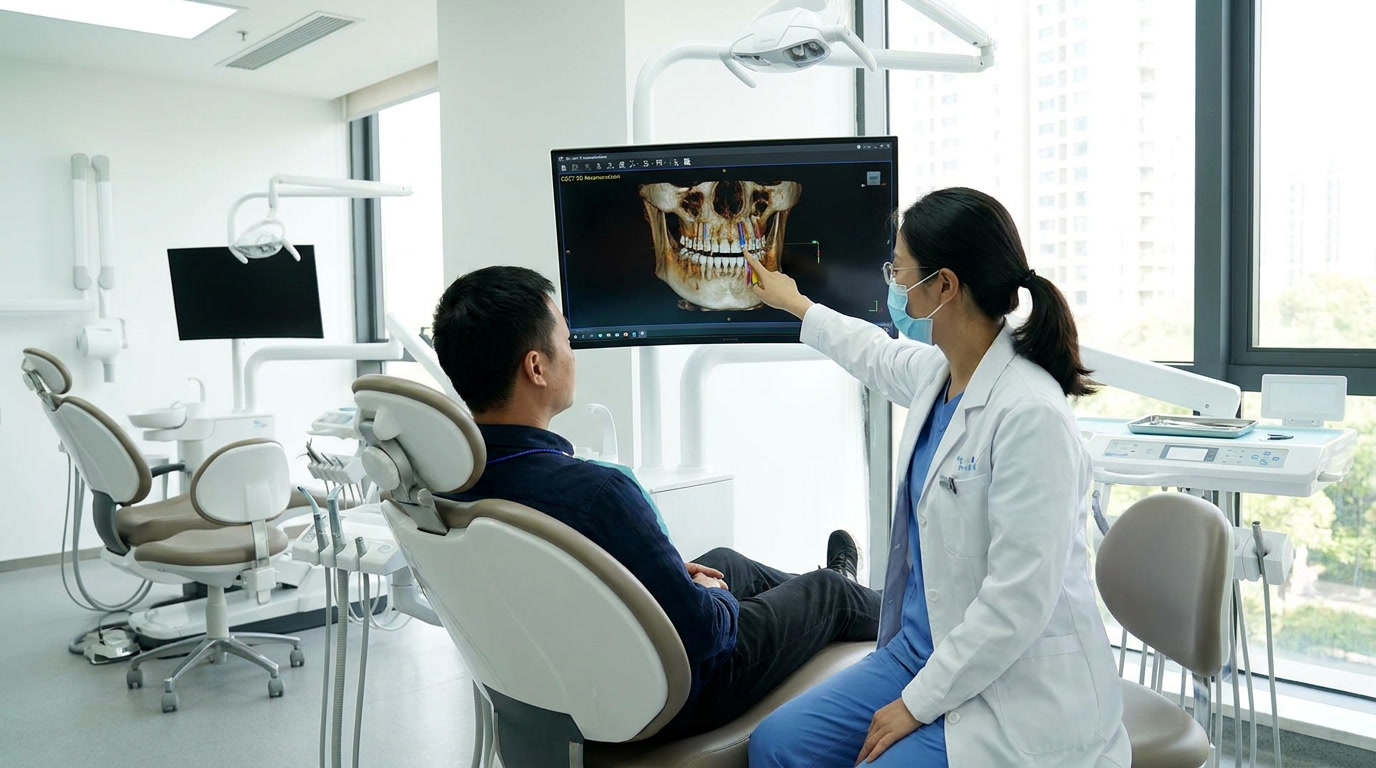
Modern dentistry relies on digital workflows to achieve exceptional precision and comfort. Here’s how the technology behind same-day implants works:
- 3D Imaging & Cone Beam CT Scans:
These scans map your jawbone in detail, helping dentists plan the exact position, angle, and depth for implant placement. - Computer-Guided Surgery:
Using this digital plan, the implant is placed with near-perfect accuracy—reducing the risk of human error and minimizing recovery time. - High-Quality Materials:
Medical-grade titanium and advanced ceramic crowns ensure natural aesthetics, long-lasting durability, and seamless integration with the bone. - Digital Design & Milling:
The crown or bridge is digitally designed and crafted on-site, allowing patients to walk out with a beautiful, functional smile the same day.
Dental Implants as the Blend of Science and Art
Same-day dental implants represent the perfect harmony between dental expertise and modern innovation. They’re fast, precise, and designed to last, giving patients the confidence of a natural smile in record time.
As technology continues to evolve, procedures that once took months can now be completed in just hours without compromising quality or safety. The future of tooth replacement isn’t coming soon, it’s already here, and it’s transforming smiles around the world.